
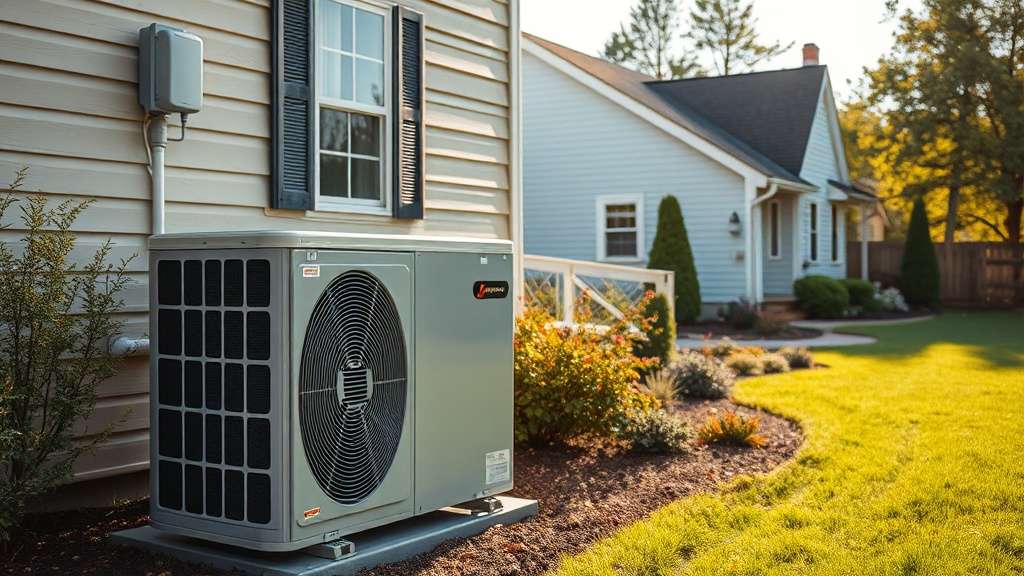
Your Heat Pump Works Differently Than You Think
A heat pump doesn’t generate heat — it moves it. In winter, it pulls warmth from outdoor air and transfers it inside. In summer, it runs the process in reverse, acting like a standard air conditioner. That single piece of knowledge changes everything about how you maintain it.
Because your system runs year-round instead of seasonally, the wear is continuous. Unlike a furnace that sits dormant through summer, your heat pump never really gets a break. That’s why heat pump maintenance follows a different rhythm than traditional HVAC care — and why skipping even one season can lead to a repair call that could have been avoided for about $15 and twenty minutes of your time.
This checklist is built for Augusta homeowners who are new to heat pump ownership. It’s organized by season, grounded in real field experience, and designed to make you genuinely confident — not just vaguely aware — of what your system needs.
Every Month: The One Task That Pays for Itself
Change or inspect your air filter. Every single month. This sounds almost insultingly simple, but in 15 years of HVAC work across the Augusta area, a clogged filter is the single most common preventable cause of system strain we see in the field.
A dirty filter doesn’t just reduce air quality — it forces your heat pump to work harder to pull air through the system. That extra strain can raise your monthly energy bill by $20–$40, accelerate wear on the blower motor, and in extreme cases trigger safety shutoffs. A quality filter runs $8–$15. The math isn’t complicated.
For Augusta specifically, the math tips even further toward monthly changes. Our humidity and pollen counts mean filters load up faster here than in drier climates. If you have pets or anyone in the house with allergies, check every three weeks.
Spring Checklist: Prep Before the Heat Hits
Spring is your most important maintenance window. You’re coming out of heating season and heading into Augusta’s long, punishing summers. Everything you do now determines how smoothly your system handles July and August.
Clean the Outdoor Unit
Walk outside and look at your condenser unit. After a winter of leaves, pine needles, and debris, the coil fins are likely partially blocked. Gently rinse the unit with a garden hose — always spray from the inside out, not straight in — to clear debris without bending the fins. Never use a pressure washer. The fins are aluminum and they bend easily; bent fins reduce airflow and quietly drag down efficiency.
While you’re out there, clear a two-foot perimeter around the unit. Shrubs and overgrowth restrict airflow in ways that don’t show up on any error code — they just make your system work harder for no reason.
Inspect the Condensate Drain Line
Your heat pump pulls moisture from the air as it cools, and that moisture drains through a condensate line. A clogged line can cause water backup, moisture damage, and system shutdowns. Pour a cup of diluted white vinegar down the drain access port to clear algae buildup. If water is pooling near your indoor air handler, that drain is already partially blocked.
Schedule Your Professional Tune-Up
Spring is the ideal time to schedule your annual professional inspection — before HVAC companies book up for summer. A trained technician will check refrigerant levels, test electrical connections, measure airflow across both coils, and verify that your reversing valve (the component that switches your system between heating and cooling modes) is functioning correctly. This is not a DIY task. Refrigerant handling requires EPA certification, and an incorrect charge — even slightly off — can cut your system’s efficiency significantly and cause compressor damage over time.
What does a professional tune-up typically cost? In the Augusta market, expect $80–$150 for a standard heat pump inspection. Compare that to a compressor replacement, which typically runs $1,200–$2,000, and the annual tune-up starts to look like an obvious investment.
Summer Checklist: Keep Your Eye on These Two Things
Once summer arrives and your system is running daily, your job is mostly monitoring. You’ve already done the heavy lifting in spring. But two things deserve your attention.
First, watch your energy bills. A sudden spike — say, $50–$80 above your normal summer average — without a change in usage habits is a signal. It could mean a refrigerant leak, a struggling compressor, or a failing capacitor. None of these fix themselves. Catching them in June is cheaper than dealing with a full breakdown in August.
Second, listen. A healthy heat pump is relatively quiet. Grinding, squealing, or intermittent clicking sounds are not normal operating noises. A rattling outdoor unit often means loose hardware or debris caught in the fan. A persistent clicking from the air handler usually points to an electrical issue. Neither should be ignored.
Fall Checklist: Switching Modes Isn’t Automatic
Here’s something most first-time heat pump owners don’t expect: the transition from cooling mode to heating mode is a good time to catch problems that only show up under heating load. Run the system in heat mode for a full cycle before temperatures actually drop. Listen for unusual sounds. Check that warm air is actually coming through your vents, not just room-temperature air.
Check Your Thermostat Settings
Heat pumps work best with consistent temperatures. Dropping your thermostat 10 degrees at night and cranking it back up in the morning forces the system to use the emergency heat strip — which uses roughly three times the electricity of normal heat pump operation. Set it, leave it close to a steady temperature, and let the system do what it’s designed to do efficiently.
Clear the Area Around Your Outdoor Unit Again
Fall means leaves. They accumulate against the condenser unit and get pulled into the coil. A quick check every two weeks through October and November takes five minutes and prevents the coil blockage that leads to reduced heating capacity right when you need it most.
Winter Checklist: Defrost Cycles Are Normal — Until They’re Not
You may notice your outdoor unit iced over in winter. This is normal. Heat pumps go into defrost mode periodically, temporarily reversing their cycle to melt ice off the coil. You might see steam rising from the outdoor unit — that’s fine. What’s not fine is a unit that stays completely encased in ice for hours without clearing, or one where the defrost cycle seems to run constantly.
Also keep the area around your outdoor unit clear of snow and ice accumulation. Never stack anything on top of the unit, and make sure the top discharge grille isn’t blocked. Blocked airflow in winter is just as damaging as it is in summer.
Know When to Call for Backup
If your system is struggling to maintain indoor temperatures even with the emergency heat strip engaged, that’s a service call. Common winter failure points include refrigerant leaks that reduce heating capacity, failed defrost control boards, and reversing valve issues. Attempting heat pump repair without the right diagnostic equipment usually makes the problem worse and more expensive to fix.
The Annual Professional Inspection: What Actually Gets Checked
A thorough annual inspection covers more than a homeowner can assess from the outside. A licensed technician measures superheat and subcooling values to determine if the refrigerant charge is correct, tests the start and run capacitors (these fail without warning and strand homeowners on the hottest or coldest days of the year), verifies electrical connections at the disconnect and air handler, and checks the reversing valve solenoid.
They should also inspect your ductwork for obvious leaks. In Augusta homes, especially older construction, duct leakage can account for a significant portion of energy loss — sometimes 20–30% of conditioned air never reaches the living space, based on what we see during inspections. Sealing those leaks is one of the highest-return improvements a homeowner can make.
Anderson HVAC has been serving the Augusta area for over 15 years, and our service professionals — including Brian Tabor, Austin Foster, and Chris Jones — bring that hands-on experience to every inspection. As an Authorized Rheem Dealer with over 30 combined years of HVAC experience on staff, we know what Augusta systems face across every season, and we’ve seen what happens when annual maintenance gets skipped year after year.
A Note on Heat Pump Age and Replacement Timing
Even the best maintenance routine has limits. A heat pump that’s 15 years or older and requiring frequent repairs is probably past the point where maintenance alone makes financial sense. If your repair costs in a single year approach 50% of the cost of a new unit, replacement becomes the smarter call. A properly maintained heat pump typically lasts 15–20 years. A neglected one often starts showing serious problems by year 10.
If your system is approaching that range and you’re new to heat pump ownership, an honest conversation with a qualified technician — not a sales call, just an assessment — will tell you exactly where you stand.
Staying consistent with this checklist through all four seasons gives you the best shot at that full lifespan. The homeowners who get the most out of their heat pump systems are almost always the ones who treat maintenance as routine rather than reactive.
Written by the Anderson HVAC team — family-operated HVAC specialists with over 15 years serving the Augusta, Georgia area and more than 30 combined years of industry experience.
To schedule your annual heat pump maintenance inspection or get a same-day estimate, visit callandersonhvac.com.